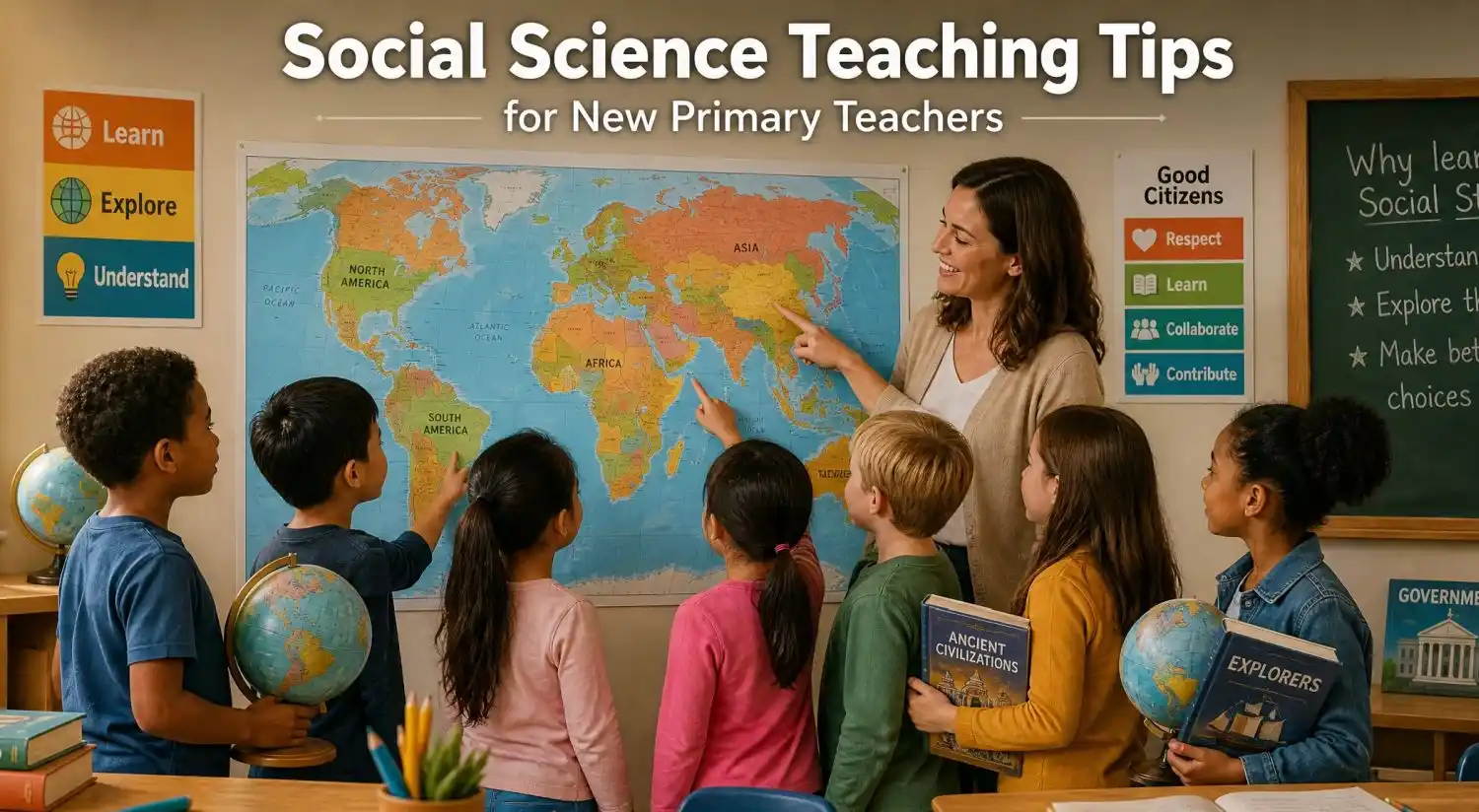
Social Science Teaching Tips are the secret sauce to transforming a dry, textbook-heavy curriculum into a vibrant, engaging learning experience for young minds. As a primary teacher, I have always believed that social science is not just about memorizing dates or locating countries on a map. It is about understanding the world we live in, the people who share it, and the stories that have shaped our present.
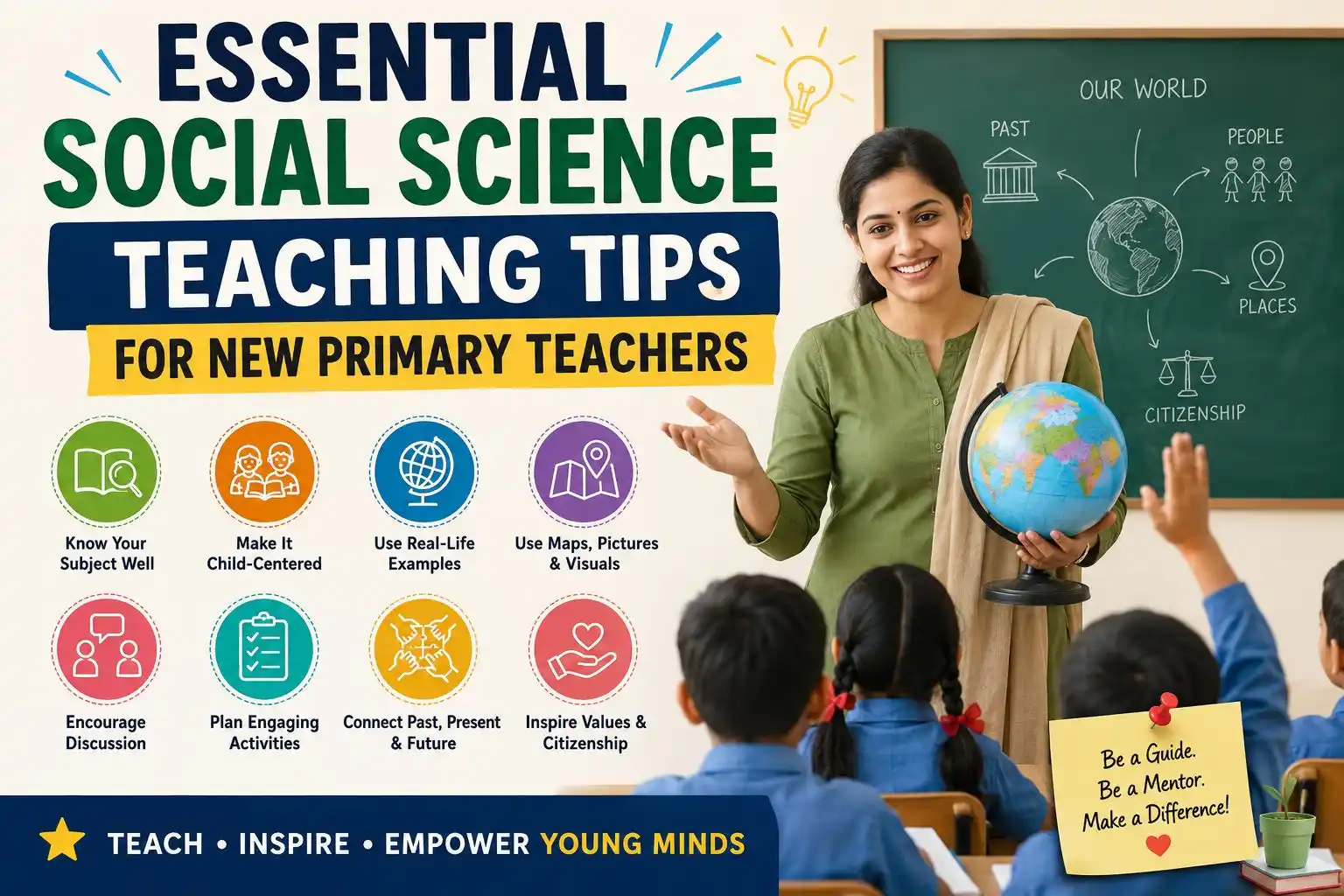
When I first started my teaching journey, I found myself overwhelmed by the sheer volume of content I needed to cover. History, geography, civics, and economics—it all felt like a lot to pack into short attention spans. But over the years, I have developed a set of strategies that have not only made my teaching more effective but also made my students’ learning deeply enjoyable.
In this comprehensive guide, I am sharing my most effective Social Science Teaching Tips to help new primary teachers navigate this exciting subject with confidence and creativity. Let’s dive into the world of social science and discover how we can make it unforgettable for our little learners.
Understanding the Importance of Social Science Teaching Tips in Early Education
Before we jump into the practical strategies, it is crucial to understand why we are teaching this subject in the first place. Social science helps children develop critical thinking, empathy, and a sense of civic responsibility. It connects them to their community and the wider world.
When I introduce a new topic, I always start by asking my students why they think it matters. This simple question encourages them to think critically and connect the subject to their own lives. For example, when learning about community helpers, I ask them to imagine a day without doctors or firefighters. Their responses are often profound and show a deep level of understanding.
Connecting Learning to Real Life
One of the most fundamental Social Science Teaching Tips I can offer is to connect every lesson to real life. Abstract concepts can be difficult for young children to grasp. By grounding lessons in their everyday experiences, we make the content relatable and meaningful.
For instance, when teaching about economics, I don’t just talk about money and trade. I set up a mock classroom store where students can buy and sell items using play money. This hands-on activity brings the concept of supply and demand to life, making the learning process fun and interactive. You can read more about making social studies relevant on Teaching Strategies.
Making History Come Alive for Young Learners
History is often perceived as a boring subject filled with dead people and distant events. My goal is to shatter this perception and show my students that history is a collection of fascinating stories about real people who faced real challenges.
The Power of Storytelling
Storytelling is a powerful tool in any classroom, but it is especially effective in teaching history. When I teach about historical events, I frame them as stories with characters, conflicts, and resolutions. I use expressive voices, sound effects, and sometimes even costumes to bring the stories to life.
I encourage my students to become the characters in these stories. We act out historical events, which helps them understand the emotions and motivations of the people involved. This role-playing approach not only makes the lessons memorable but also fosters empathy and perspective-taking. For more ideas on using storytelling in the classroom, check out Truth for Teachers.
Using Timelines and Visual Aids
Visual aids are essential for helping young children understand the concept of time, which can be quite abstract. I use colorful timelines to show the sequence of historical events. We create these timelines together as a class, adding pictures and drawings to represent different events.
This collaborative activity not only reinforces the content but also develops their fine motor skills and creativity. By visually seeing the progression of time, my students can better understand the cause-and-effect relationships between historical events.
Exploring the World Through Geography
Geography is all about understanding our place in the world. It involves more than just memorizing map facts; it is about exploring different cultures, climates, and landscapes.
Hands-On Map Making
One of my favorite Social Science Teaching Tips for teaching geography is hands-on map making. Instead of just pointing at a map on the wall, I have my students create their own maps. We start by mapping our classroom, then our school, and eventually our neighborhood and city.
This step-by-step approach helps them understand the concept of scale and perspective. We use different materials like clay, paper, and even outdoor sand to create three-dimensional maps. This tactile experience makes the learning process much more engaging and helps them retain the information better. If you are looking for more map activities, National Geographic Education offers some fantastic resources.
Virtual Field Trips
With the advancement of technology, the world has become more accessible than ever. I frequently use virtual field trips to take my students on journeys to different parts of the world. We explore the pyramids of Egypt, the rainforests of the Amazon, and the bustling streets of Tokyo, all from the comfort of our classroom.
These virtual experiences broaden their horizons and spark their curiosity. We often follow up these trips with discussions and drawing activities, where they can share their observations and thoughts about the places they visited.
Cultivating Good Citizens Through Civics
Civics is about understanding how our society functions and the role we play as citizens. It is a vital part of the curriculum, as it helps children develop a sense of responsibility and community involvement.
Classroom Meetings and Democracy
One of the most effective ways to teach civics is through classroom meetings. I hold regular meetings where we discuss classroom rules, resolve conflicts, and plan class activities. This democratic process gives my students a voice and teaches them about leadership, compromise, and respect.
We vote on decisions and take turns leading the meetings. This hands-on experience with democracy helps them understand the importance of civic participation and prepares them to be active and responsible citizens in the future. You can find more insights on this approach at Studies Weekly.
Community Service Projects
Teaching civics is not just about talking; it is about taking action. I encourage my students to participate in community service projects. We organize clean-up drives, visit local nursing homes, and create care packages for those in need.
These projects not only teach them about the needs of their community but also instill a sense of empathy and compassion. By actively participating in making their community a better place, they learn the true meaning of citizenship.
Navigating the Challenges of Teaching Economics
Economics can be a challenging topic for young children, as it involves complex concepts like money, trade, and resources. However, with the right approach, it can be made accessible and engaging.
The Classroom Economy
I have found that the best way to teach economics is through a classroom economy. I assign jobs to my students, such as teacher’s assistant, librarian, and custodian, and pay them in classroom currency. They can use this money to buy privileges, like choosing their seat or getting a homework pass.
This system teaches them about earning, saving, and spending money. It also introduces them to the concepts of supply and demand, as the prices of privileges can fluctuate based on availability. You can learn more about setting up a classroom economy on the TPT Blog.
Discussing Needs vs. Wants
Another important aspect of teaching economics is helping children differentiate between needs and wants. We have class discussions about what we need to survive and what we desire for comfort and happiness.
We play sorting games where they categorize items as either a need or a want. This critical thinking exercise helps them understand the basics of resource allocation and decision-making, which are essential skills in economics.
Integrating Social Science with Other Subjects
One of the key Social Science Teaching Tips I always emphasize is the integration of social science with other subjects. Social science does not exist in isolation; it is interconnected with language arts, mathematics, and science.
Reading Historical Fiction
I frequently use historical fiction books to supplement my social science lessons. These books provide a narrative context that helps students understand the historical period more deeply. Reading these stories not only improves their literacy skills but also enhances their historical understanding.
We discuss the characters, settings, and plots, drawing parallels between the fictional events and the historical facts they have learned. This cross-curricular approach makes the learning experience more holistic and enriching.
Graphing and Data Analysis
Mathematics and social science can be seamlessly integrated through data analysis. When we study different cultures or historical events, we collect data and create graphs. For example, we might graph the population growth of a city or the distribution of different ethnic groups in our community.
This activity not only reinforces their math skills but also helps them understand how data can be used to tell a story and draw conclusions about social phenomena.
Embracing Diversity and Cultural Awareness
In today’s globalized world, it is crucial to teach children about diversity and cultural awareness. Social science provides the perfect platform for exploring different cultures and fostering inclusivity.
Celebrating Cultural Festivals
I love celebrating cultural festivals in my classroom. We learn about the traditions, foods, and customs of different cultures and celebrate them together. This exposure to diverse cultures broadens their perspectives and helps them appreciate the richness of human diversity.
We invite parents to share their cultural heritage with the class, which not only enriches the learning experience but also strengthens the home-school connection. For more tips on fostering multiculturalism, you can visit Star Autism Support.
Discussing Global Issues
While my students are young, I believe it is important to introduce them to global issues in an age-appropriate manner. We discuss topics like environmental conservation, poverty, and human rights.
These discussions encourage them to think critically about the world around them and develop a sense of global citizenship. By understanding the challenges faced by people in different parts of the world, they learn to be more compassionate and empathetic.
Assessing Understanding in Social Science
Assessing students’ understanding in social science can be tricky, as it is not always about right or wrong answers. It is about their ability to think critically, empathize, and apply knowledge to real-world situations.
Project-Based Assessments
I prefer project-based assessments over traditional tests. Projects allow my students to demonstrate their understanding in creative and meaningful ways. They might create a poster, write a story, or build a model to represent what they have learned.
These projects not only assess their content knowledge but also their creativity, problem-solving skills, and ability to communicate their ideas effectively.
Observational Assessments
I also rely heavily on observational assessments. I watch my students during class discussions, role-playing activities, and group projects to gauge their understanding and engagement.
This form of assessment provides me with valuable insights into their thought processes and areas where they might need additional support. It allows me to tailor my teaching to meet their individual needs and ensure that everyone is progressing.
Download Social Science Teaching Tips for New Primary Teachers PDF

Conclusion: The Journey of a Social Science Teacher
Teaching social science is a journey of continuous learning and discovery, not just for my students, but for me as well. Every year, I learn something new from my students and the subjects we explore together.
The Social Science Teaching Tips I have shared in this guide are just the beginning. There is a vast array of resources and strategies available to help you make social science come alive in your classroom. Remember to be creative, be flexible, and most importantly, be passionate.
Your enthusiasm for the subject will be contagious, and it will inspire your students to become lifelong learners and active citizens. I wish you all the best on your teaching journey, and I hope these tips help you create a vibrant and engaging social science classroom.